
Fire safety is the most important part of any modern building. A reliable fire alarm system does more than just make noise; it protects lives, saves property, and keeps your business running safely.
In Egypt and the MENA region, these systems are required by law and are a key part of building design. A high-quality system catches fire early, warns everyone instantly, and starts emergency steps to prevent major damage.
Egypt German builds advanced fire protection into our turnkey MEP projects. We make sure your building follows global safety rules while staying efficient.
This guide explains how fire alarms work, the different types you can buy, and how to pick the right one for your project.
What is a Fire Alarm System?
A fire alarm system is an integrated safety network designed to detect smoke, heat, or fire and alert people immediately. It uses sensors, control panels, and sirens to identify risks and help everyone evacuate safely.
The main goal is early detection. By catching a fire in its first few seconds, the system significantly reduces the risk of injury, loss of life, and property damage.
How Fire Alarms Connect to Your Building
Modern fire alarm systems don’t work alone. For the best protection, Egypt German integrates them with your building’s infrastructure, including:
- HVAC Systems: To shut down fans and prevent smoke from spreading.
- Smoke Control: To activate exhaust fans and clear exit paths.
- Emergency Lighting: To guide people to safety during a power cut.
- Fire Suppression: To trigger sprinklers or gas systems automatically.
- Building Management (BMS): To monitor all safety data from one central screen.
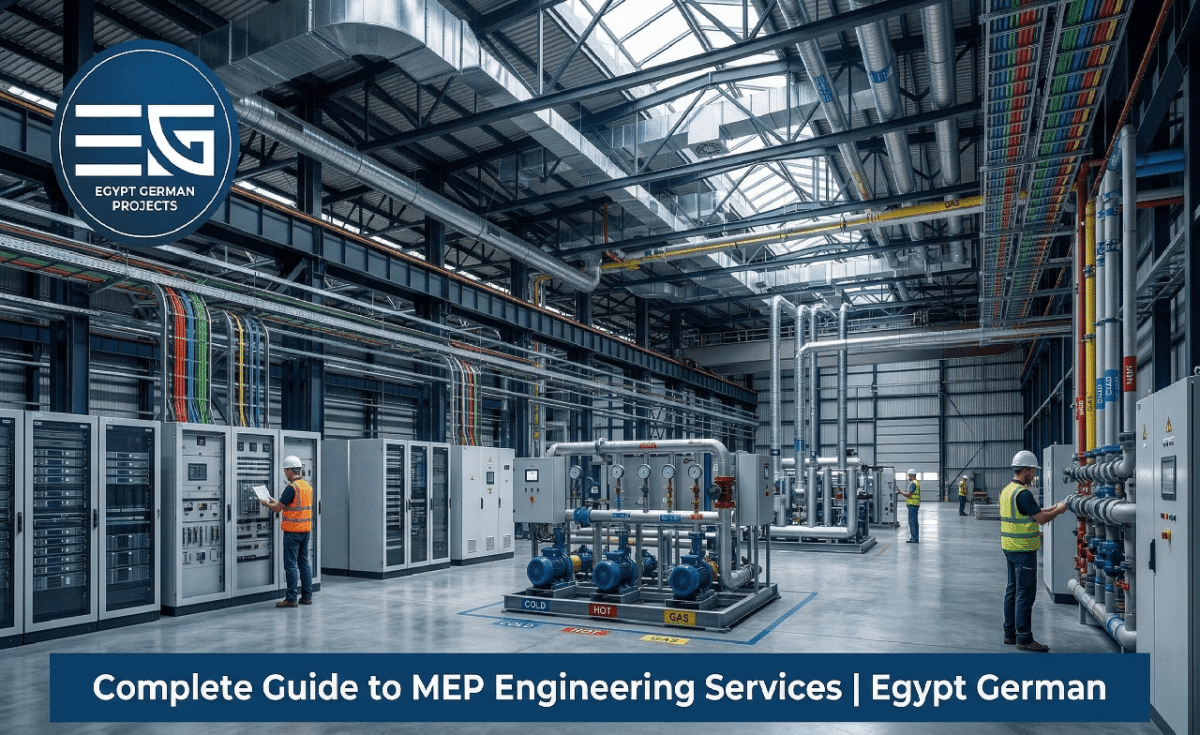
Our expert MEP system design ensures all these parts work together seamlessly to protect your facility.
Why Your Building Needs a Reliable Fire Alarm System
Every modern building must have a clear fire safety plan. A professional fire alarm system is the most important part of that plan because it provides four key protections:
Life Safety
The main job of a fire alarm is to save lives. It gives people the early warning they need to leave the building safely before smoke or flames spread.
Property Protection
Catching a fire early means less damage to your equipment, stock, and the building itself. This is vital for factories and warehouses where a small fire could lead to a total loss.
Regulatory Compliance
In Egypt, you cannot finish a construction project without meeting local and international fire safety rules. A certified system ensures you follow the law and avoid heavy fines.
Business Continuity
Even a small fire can shut down your operations for weeks. Fast detection helps you avoid downtime and protects your brand’s reputation.
Integration with Modern Building Systems
In advanced construction projects, fire systems can automatically interact with other systems such as:
- Elevators
- HVAC ventilation systems
- Emergency power systems
- Access control systems
This integration improves the overall safety of the building.
Key Components of a Fire Alarm System
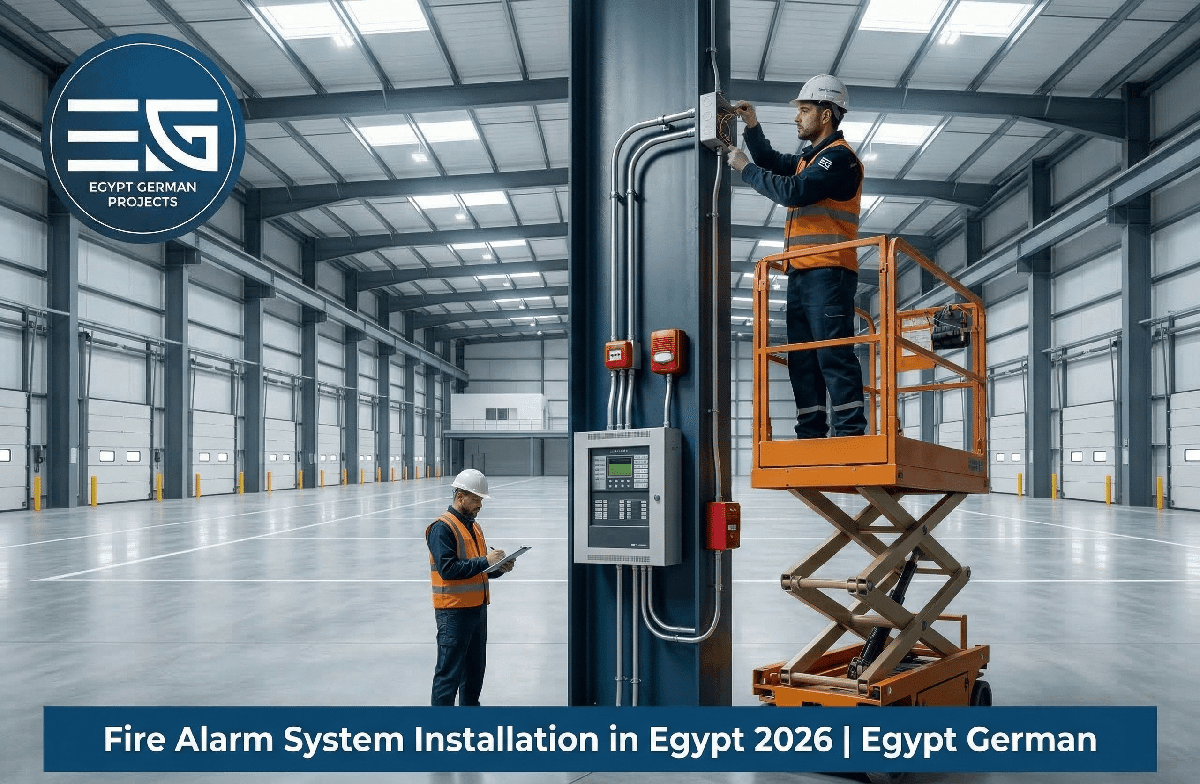
A fire alarm system is a network of parts that work together to find fire and warn people. Think of it like a security team for your building. Here are the key pieces Egypt German uses in every installation:
Fire Alarm Control Panel (FACP)
The control panel is the center of the whole system. It listens to all the sensors and decides when to turn on the alarms. If there is a problem, this panel tells you exactly where the fire is.
Smoke Detectors
These find tiny smoke particles in the air. They are perfect for offices and hallways.
Heat Detectors
These watch for a fast rise in temperature. We use these in kitchens or factories where smoke might be normal, but high heat is a danger.
Manual Call Points
These are the small red boxes on the wall. If a person sees a fire before the sensors do, they can break the glass or push the button to start the alarm manually.
Alarm Notification Devices
When the system finds a fire, it needs to tell everyone to leave. We install:
- Loud Sirens and Horns: To make sure everyone hears the danger.
- Flashing Lights: To warn people in noisy areas or those who cannot hear well.
- Voice Systems: To give clear spoken instructions on how to exit the building safely.
Their purpose is to alert everyone in the building to evacuate immediately.
Fire Alarm Control Wiring
Special fire-rated cables connect the entire system. These wires withstand extreme heat to ensure your alarms keep working even during a fire.
Types of Fire Alarm Systems
Understanding the types of fire alarm systems is important when choosing the right solution for your building.
Conventional Fire Alarm System
A conventional fire alarm system divides a building into zones. Dedicated wiring connects each zone directly to the control panel. When a detector triggers, the system identifies the active zone rather than the specific device location.
Advantages
- Lower installation cost
- Simple design
- Suitable for small buildings
Common Applications
- Small offices
- Retail stores
- Small residential buildings
Addressable Fire Alarm System
An addressable fire alarm system assigns a unique address to every device in the system.
This allows the control panel to identify the exact location of the triggered detector.
Advantages
- Precise fire detection location
- Faster troubleshooting
- Higher reliability
- Better monitoring
Common Applications
- Hospitals
- Hotels
- Large commercial buildings
- Industrial facilities
- Airports
Hybrid Fire Alarm System
Hybrid systems combine features from both conventional and addressable fire alarm systems, providing flexibility for complex buildings.
Large-scale projects use these systems to provide specific protection for different zones.
Conventional and Addressable Fire Alarm System: Key Differences
Choosing the right fire alarm system depends on your building’s size and complexity. While both systems protect your property, they offer different levels of precision and technology.
Conventional Fire Alarm Systems
Small businesses and simple buildings often choose conventional systems because they are straightforward and cost-effective.
- Zone-Based Detection: The system tells you which “zone” has a fire (like the 2nd Floor) but not the specific room.
- Simple Installation: It uses basic point-to-point wiring that is easy to set up in smaller spaces.
- Lower Upfront Cost: This is the most budget-friendly option for simple fire safety needs.
- Manual Troubleshooting: Finding a fault in the system requires a technician to check each device in the zone manually.
Addressable Fire Alarm Systems
Large complexes and industrial facilities require the high-tech precision of an addressable system.
- The system identifies the exact device and room where a fire starts, saving vital minutes during an emergency.
- Advanced Networking: It uses a “loop” wiring system that allows all devices to communicate with the central panel.
- Instant Digital Diagnostics: The panel tells you exactly which sensor needs cleaning or repair, reducing maintenance costs.
- Smart Integration: These systems easily connect with elevators, HVAC, and Building Management Systems (BMS).
Fire Alarm System Integration in Turnkey Projects
In modern construction, fire safety is not installed as a separate system. Instead, it is integrated into the entire building infrastructure through turnkey project development.
A turnkey contractor manages all aspects of construction including:
- Civil construction
- Electrical systems
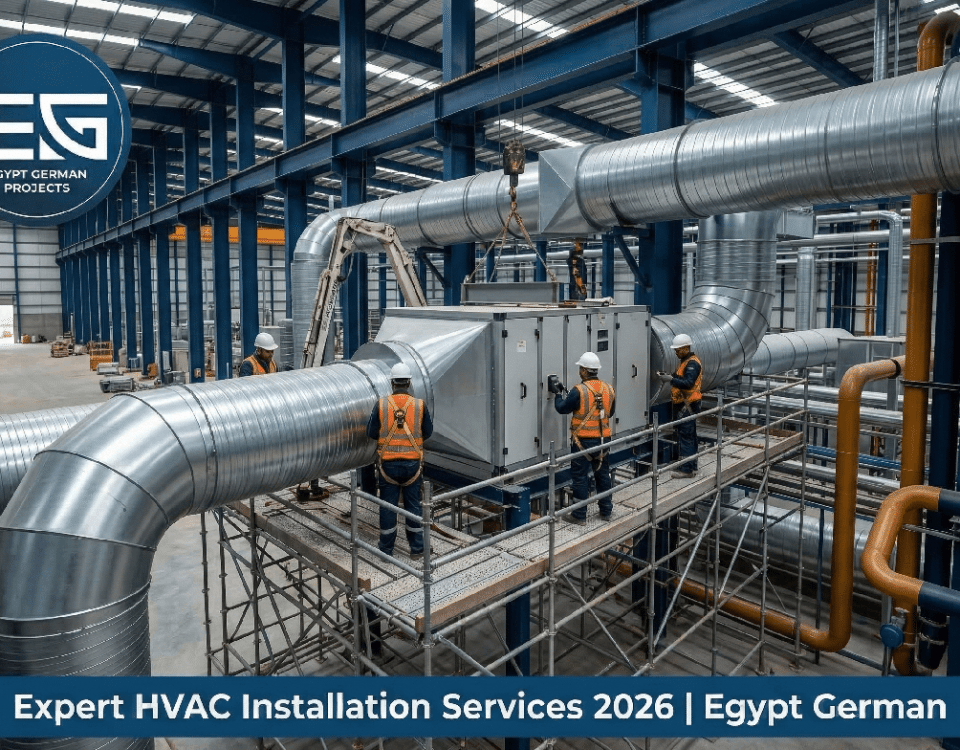
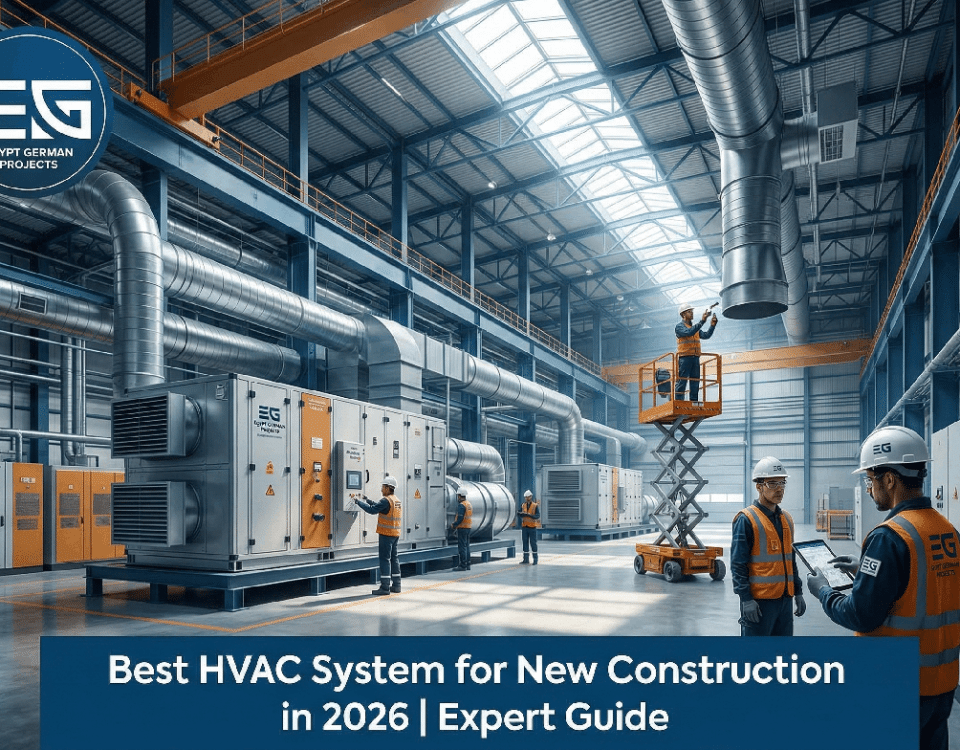
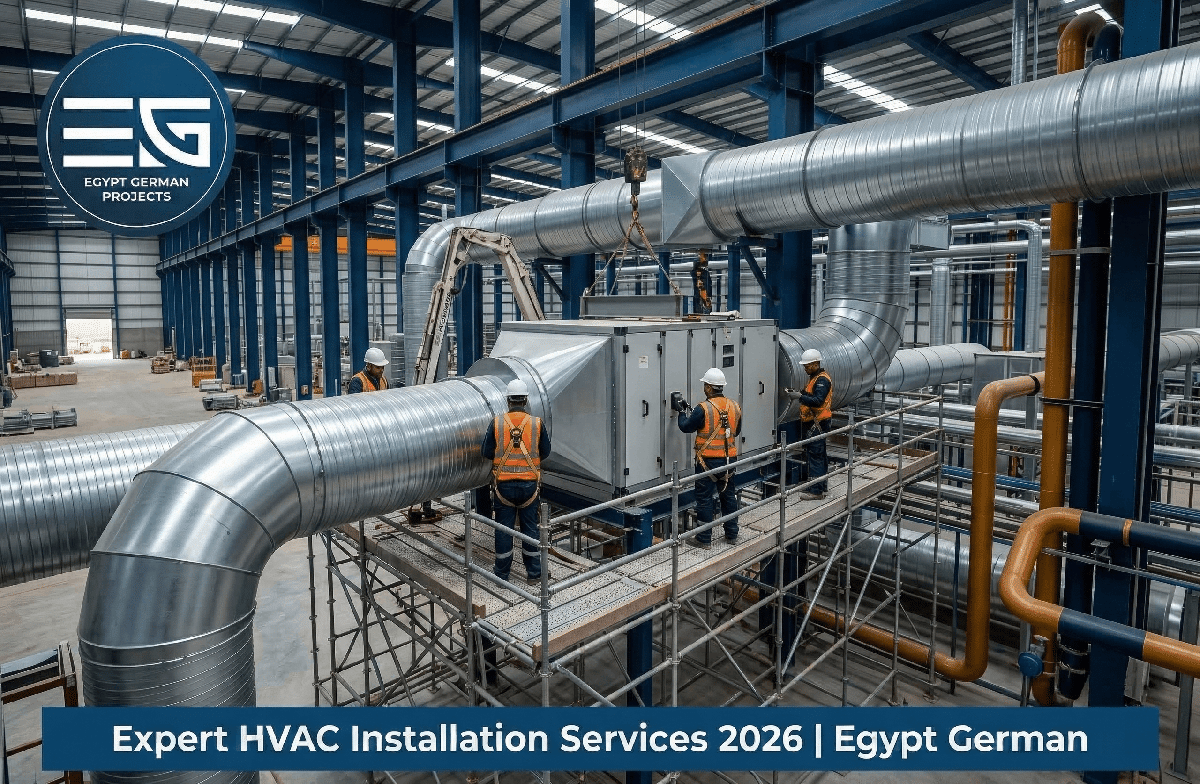
- HVAC systems
- Fire protection systems
- Security systems
- Building automation
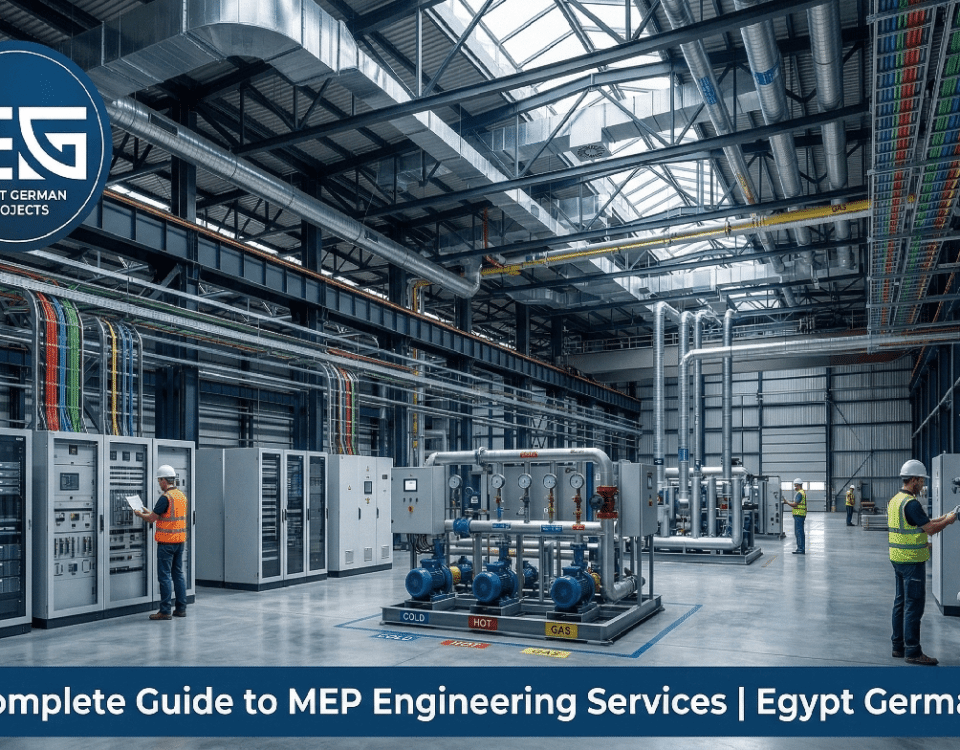
At Egypt German, fire systems are implemented as part of comprehensive MEP system solutions, ensuring full coordination between safety, ventilation, and electrical infrastructure.
This approach improves reliability and ensures the system operates efficiently within the building environment.
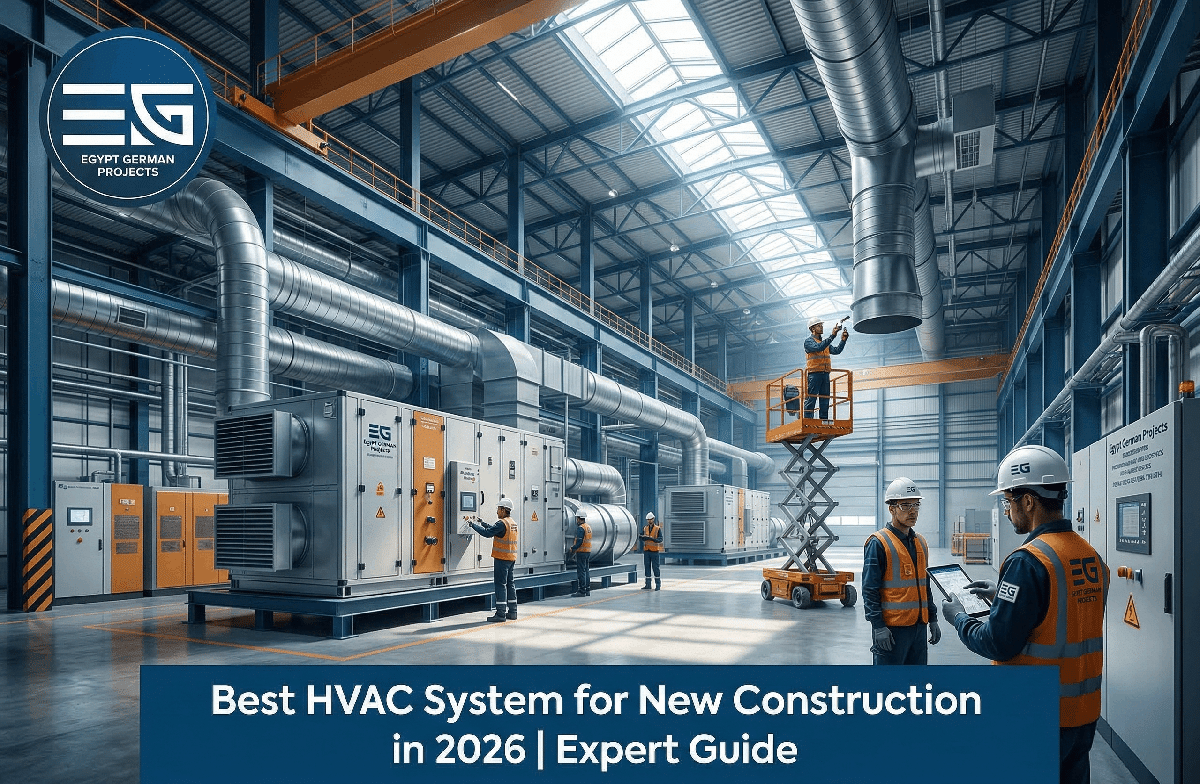
Fire Alarm Systems and HVAC Integration
Fire systems often interact with HVAC systems to prevent the spread of smoke during emergencies.
When a fire is detected, the system may automatically:
- Shut down air handling units
- Activate smoke extraction systems
- Control ventilation airflow
- Pressurize escape routes
Large buildings like hospitals, malls, and factories need fire alarms that connect directly to the HVAC system. Because this work is so complex, only experienced engineering teams should design these safety plans.
Fire Alarm System Price in Egypt
The fire alarm system price varies depending on several factors.
System Type
Addressable systems are usually more expensive than conventional systems due to advanced features.
Building Size
Large buildings require more detectors, control panels, and wiring.
System Complexity
Integration with HVAC systems, building automation, and fire suppression systems can increase project cost.
Installation Requirements
Complex installations with specialized wiring or hazardous environments may require additional equipment.
Compliance Standards
Systems designed to meet international safety standards may involve higher-quality equipment and certifications.
Because every building has different requirements, fire systems are typically custom designed for each project.
Professional consultation is recommended to determine the most suitable system.
How to Choose the Right Fire Alarm System
Selecting the right fire alarm system requires evaluating several important factors.
Building Size and Layout
Large or multi-floor buildings usually require addressable systems for better monitoring.
Building Function
Industrial facilities, hospitals, and data centers require more advanced fire protection systems.
Safety Regulations
Fire safety regulations may determine the required system type and specifications.
Integration Needs
If the building includes HVAC systems, smoke control systems, or automation systems, the fire alarm system must be compatible.
Future Expansion
Scalable systems allow buildings to expand without replacing the entire fire protection infrastructure.
Working with experienced engineering companies ensures the system is designed correctly from the start.
Why Choose Egypt German for Fire Alarm Systems?
Implementing a reliable fire alarm system requires expertise in engineering design, installation, and safety standards.
Egypt German provides integrated construction and engineering services across Egypt and the MENA region.
Our solutions include:
- Fire alarm system design and installation
- Integrated MEP system solutions
- HVAC and ventilation integration
- Industrial safety systems
- Complete turnkey project delivery
Our engineering teams ensure all systems comply with global standards while meeting the specific requirements of each project.
Egypt German delivers high-performance fire protection that prioritizes safety, efficiency, and long-term reliability. Our solutions protect your people and your property around the clock.
FAQ About Fire Alarm System
What is a fire alarm system used for?
A fire alarm system detects smoke, heat, or fire and alerts building occupants to evacuate. It helps prevent injuries, loss of life, and property damage.
What factors affect fire system price?
The fire alarm system price depends on building size, system type (conventional vs. addressable), the number of detectors, and installation complexity. Integrating your alarm with HVAC or BMS systems will also impact the final cost.
Are fire systems required for commercial buildings?
Yes, most commercial buildings must install fire systems to comply with fire safety regulations and building codes.
Can fire alarm be integrated with HVAC systems?
Yes. Modern fire systems connect to HVAC systems to automatically shut down fans and close dampers. This integration prevents dangerous smoke from spreading through the building’s ventilation during an emergency.
How often should fire alarm be tested?
Professional engineering teams should inspect and test fire alarm every three to six months. Regular testing ensures 100% reliability and keeps your building in compliance with local fire safety regulations.
What is included in a turnkey fire protection project?
A turnkey project may include system design, equipment supply, installation, testing, commissioning, and maintenance.