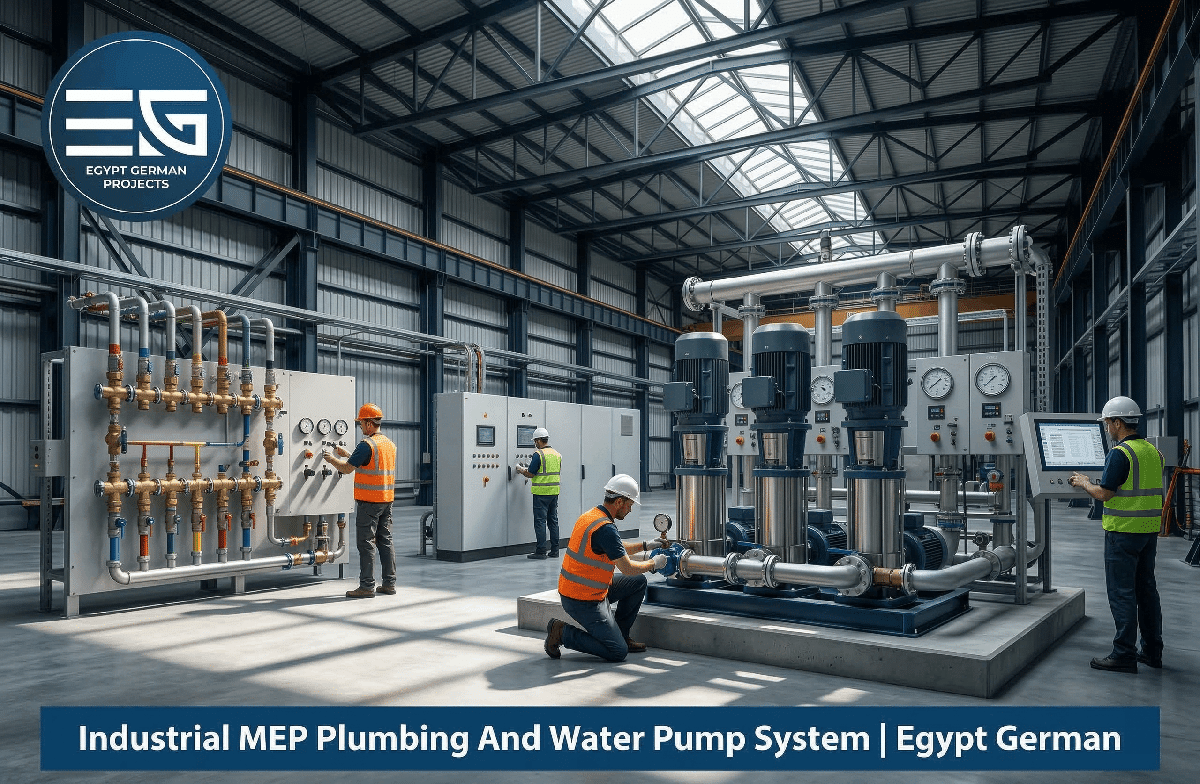
Every industrial plant needs a solid MEP plumbing system to run smoothly. These built-in networks handle your water supply, drainage, and process pipes. They also power the heavy-duty pumps needed for manufacturing, HVAC cooling, and fire safety.
Good MEP plumbing turns a basic building plan into a safe, working factory. By investing in proper engineering, facility managers and contractors can avoid costly downtime. It also makes it easier to meet green standards and protect your gear from sudden breakdowns.
What Is MEP Plumbing in Industrial Facilities?
MEP plumbing is the specialized engineering of water supply, drainage, and industrial process piping designed to support heavy operations and complex facility infrastructure.
While standard residential plumbing is relatively simple, MEP (Mechanical, Electrical, and Plumbing) engineering operates on a massive scale. In factories and warehouses, plumbing is not a standalone utility. It is an integrated network that must deliver continuous water pressure, manage hazardous runoff, and support heavy manufacturing processes.
A professionally designed system prevents catastrophic leaks and ensures that a facility can operate 24/7 without costly downtime.
How Does Plumbing Integrate With Mechanical and Electrical Systems?
Plumbing networks must align with mechanical systems for cooling and electrical systems for pump power, ensuring efficient and collision-free building operations.
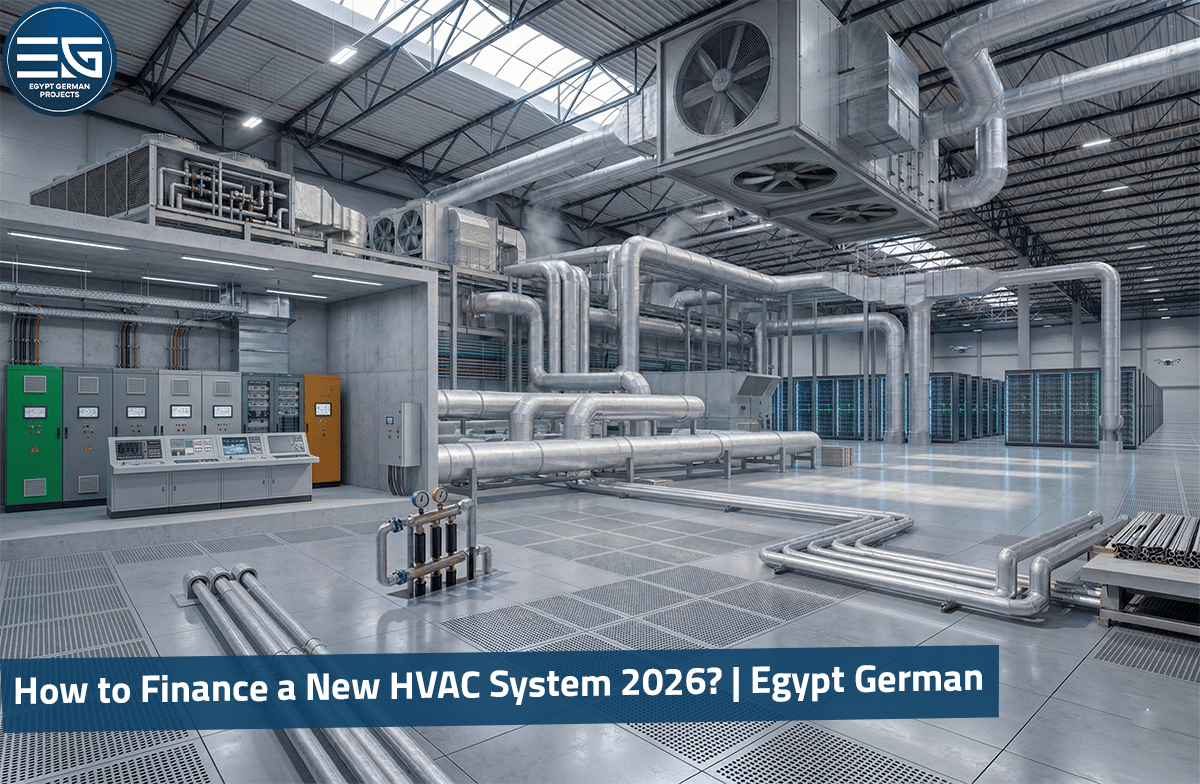
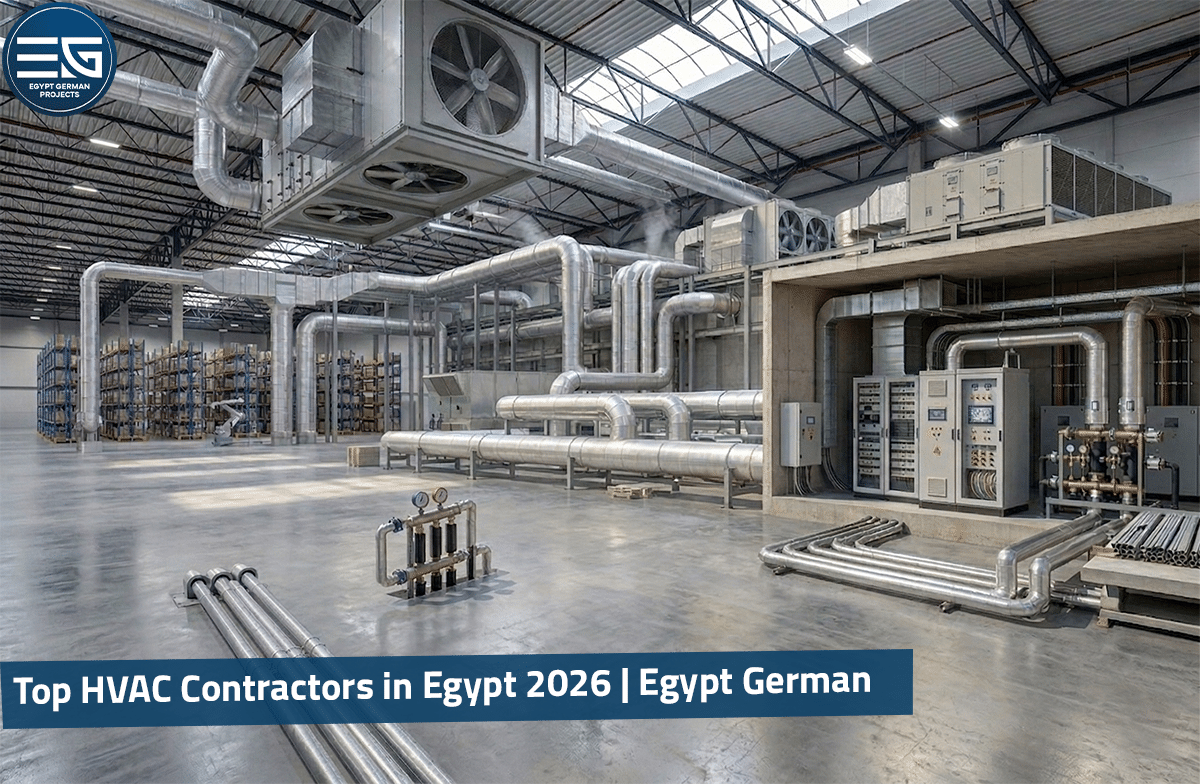
In the MEP framework, the “P” (Plumbing) constantly interacts with the “M” and “E”. For example, large HVAC systems require dedicated plumbing to supply water to cooling towers and remove condensation. Simultaneously, electrical systems must be accurately wired to provide consistent voltage to heavy-duty water pumps. Using modern 3D modeling software, engineers coordinate these three disciplines to prevent physical clashes inside the building’s walls and ceilings.
What Are the Key Components of an Industrial MEP Plumbing System?
The core components include high-capacity water supply networks, advanced filtration units, backflow prevention devices, and heavy-duty drainage systems for industrial wastewater.
An industrial facility requires specialized infrastructure to handle extreme liquid volumes:
- Water Supply Networks: Thick, durable pipes that transport potable (drinkable) and non-potable water throughout the plant.
- Filtration and Treatment: Systems that remove sediment from incoming water to protect sensitive manufacturing equipment.
- Drainage and Wastewater: Dedicated networks that safely transport chemical runoff and greywater away from the site.
- Backflow Preventers: Crucial safety valves that stop dirty water from flowing backward into the clean municipal supply.
Standard vs Industrial MEP Plumbing
| Feature | Standard Commercial Plumbing | Heavy Industrial Plumbing |
| Pipe Materials | PVC, standard copper | Stainless steel, reinforced carbon steel |
| Water Volume | Low to moderate flow | High-capacity, continuous flow |
| Drainage Type | Standard sanitary sewer | Specialized chemical and stormwater runoff |
| Regulatory Focus | Basic health codes | Strict environmental and industrial safety codes |
What Is the MEP Plumbing Design Process?
The MEP plumbing design process involves calculating water demand, hydraulic modeling, pipe sizing, selecting industrial pumps, and using BIM software for 3D coordination.
A successful industrial plumbing system relies on a rigorous, phase-by-phase engineering lifecycle. Moving straight to installation without proper calculations often leads to weak water pressure or catastrophic leaks. The standard process includes:
- Site Assessment: Evaluating the physical layout and municipal water tie-in points.
- Water Demand Calculations: Determining the peak flow requirements for manufacturing and fire safety.
- Hydraulic Modeling & Pipe Sizing: Calculating friction loss to select the correct pipe diameters.
- Pump Selection: Specifying the right industrial pumps to overcome gravity and distance.
- BIM Coordination: Creating a 3D digital model to prevent pipe collisions with electrical trays or HVAC ducts.
- Installation & Commissioning: Physically building the network and running high-pressure tests before handover.
Why Are Water Pump Systems Critical for Large Factories?
Water pump systems maintain consistent hydraulic pressure across vast industrial layouts, ensuring water reaches high elevations and powers automated fire sprinkler networks instantly.
Gravity alone is never enough to move water through a massive warehouse. Industrial pumps act as the heart of the MEP plumbing system.
What Types of Pumps Are Used in MEP Design?
Engineers deploy specific industrial pumps depending on the application, including booster pumps for pressure, circulating pumps for HVAC, and dedicated fire protection pumps.
Choosing the wrong pump can cripple a facility’s operations. Below is a breakdown of the most common industrial pumps used in MEP engineering:
Common Industrial Water Pump Types
| Pump Type | Main Application | Key Benefit |
| Booster Pump | Water Distribution | Instantly increases system pressure over long distances |
| Centrifugal Pump | General Water Transfer | Provides a high, continuous flow rate |
| Fire Pump | Fire Protection | Ensures rapid emergency response for sprinkler systems |
| Circulating Pump | HVAC Systems | Maximizes energy efficiency in heating and cooling loops |
| Submersible Pump | Drainage & Wastewater | Saves space and operates quietly underwater |
How Much Does an Industrial MEP Plumbing System Cost in Egypt?
The cost of an industrial MEP plumbing system depends heavily on facility size, water demand, pump capacity, pipe material, and fire protection requirements.
When budgeting for a factory or logistics center, a single flat-rate price is impossible to provide without an engineering assessment. Total expenditure is driven by the complexity of the facility’s operations.
Heavy manufacturing factories with extensive process piping and high-capacity pumping stations require significantly larger investments than standard dry-goods warehouses. Additional cost drivers include specialized wastewater treatment needs and the integration of large-scale industrial fire fighting systems.
How Often Should Industrial Plumbing Systems Be Maintained?
Industrial plumbing systems require quarterly inspections of water pumps, routine valve testing, pipe integrity checks, and mandatory annual testing of emergency fire pumps.
In industrial settings, plumbing operates under immense continuous stress. Neglecting maintenance leads to unexpected pipe bursts and operational downtime. A robust preventative maintenance schedule should cover:
- Pump Inspections: Checking for bearing wear, vibration, and seal leaks.
- Valve Testing: Exercising shut-off and pressure-reducing valves to prevent seizing.
- Pipe Integrity Checks: Scanning exposed pipes for early signs of oxidation or chemical corrosion.
- Water Quality Testing: Ensuring filtration systems are successfully removing debris.
- Fire Pump Testing: Running emergency pumps under full load to comply with safety codes.
What Are the Safety Standards for MEP Plumbing?
Industrial plumbing designs must strictly adhere to international codes, such as specific fire safety regulations and local engineering guidelines for hazardous wastewater disposal.
Compliance is non-negotiable in industrial construction. Water systems must meet rigorous health and safety benchmarks. For example, fire sprinkler designs rely on codes established by the National Fire Protection Association (NFPA) to ensure rapid emergency readiness.
At Egypt German, our Turnkey MEP Solutions manage this entire process from initial 3D design to final field testing. With over 53 turnkey projects successfully completed across Egypt, we guarantee that your heavy-duty plumbing infrastructure will be legally compliant, operationally flawless, and built to last.
FAQ About MEP Plumbing & Water Pump Systems
What is the difference between MEP plumbing and standard plumbing?
MEP plumbing uses complex engineering combined with mechanical and electrical systems. Standard plumbing only deals with simple home water and drains.
How do you size an industrial water pump?
Engineers size pumps by finding the needed flow rate, checking the total head pressure, and mapping the force needed across a building.
What is backflow prevention?
It uses special mechanical valves. These valves stop dirty factory water from flowing backward into the clean city water supply if pressure drops.
Why is testing (commissioning) required?
Testing is a strict final step. It ensures all pipes, pumps, and valves run safely under heavy stress before the building opens.
How does plumbing integrate with HVAC?
Plumbing networks bring water to cooling towers and safely drain the moisture created by large commercial air conditioning units.